



Knowing a Phone Inside-Out Can Help Solve Drug Crime
This is the 17th installment in a series of profiles featuring both DEA personnel, as well as statewide drug misuse prevention groups. Learn about the tough but fulfilling, fascinating, and vital work these individuals and organizations do, as well as the many different ways to get involved in fighting drug misuse. For this profile, we will be interviewing Digital Forensic Examiner Jill.
What motivated you to join the DEA?
When I was a little girl, I used to love to read mysteries, everything from Hardy Boys to Bobbsey Twins. Nancy Drew was my favorite. In the back of my mind, I always thought, I want to be the one to find the clues and figure out whodunit. Working in the computer forensics field at DEA is my way of solving mysteries as an adult.
What does an average day on the job look like for you?
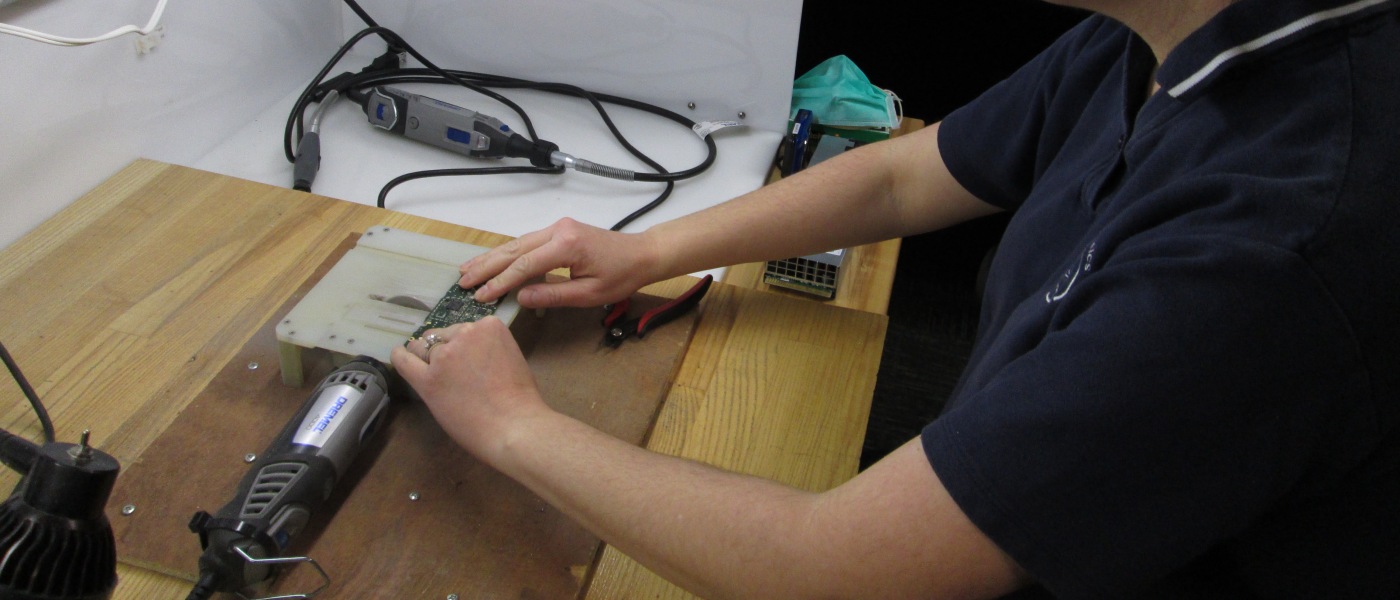
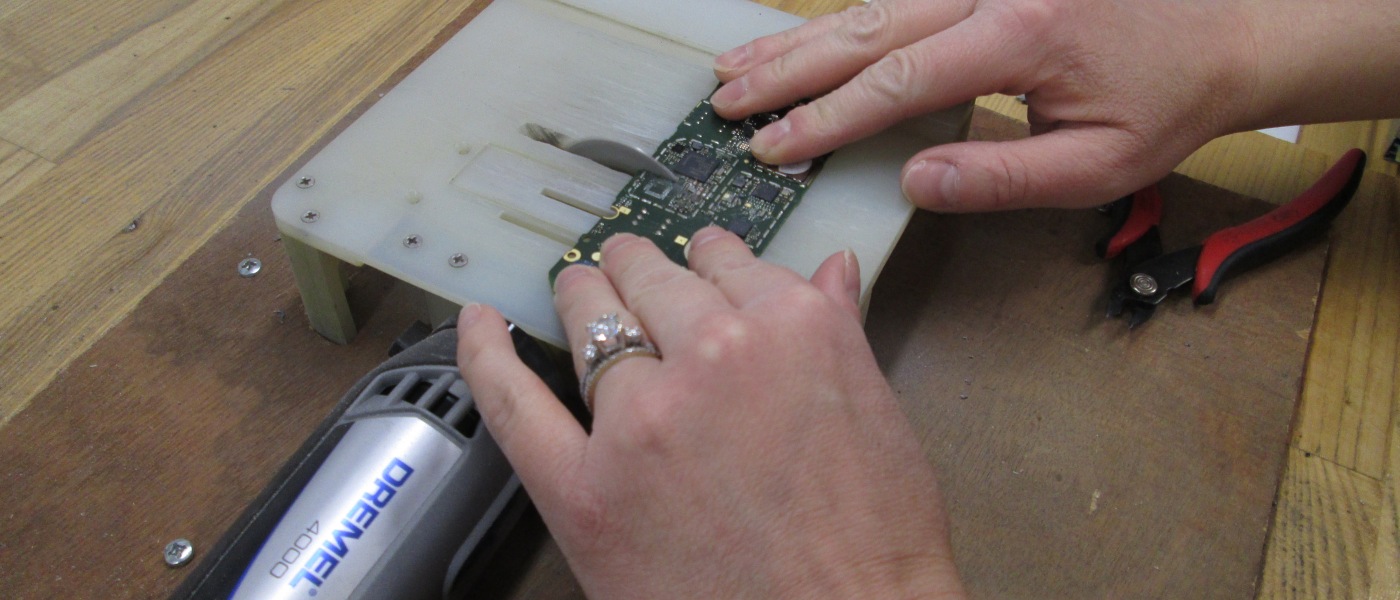
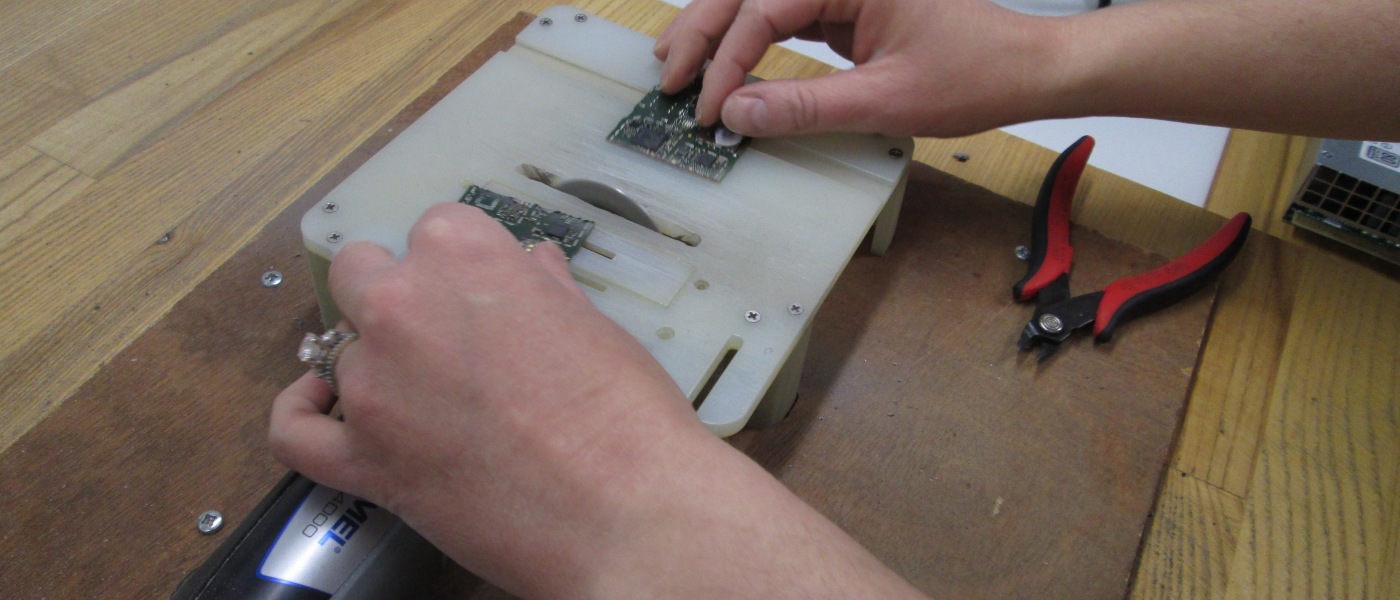
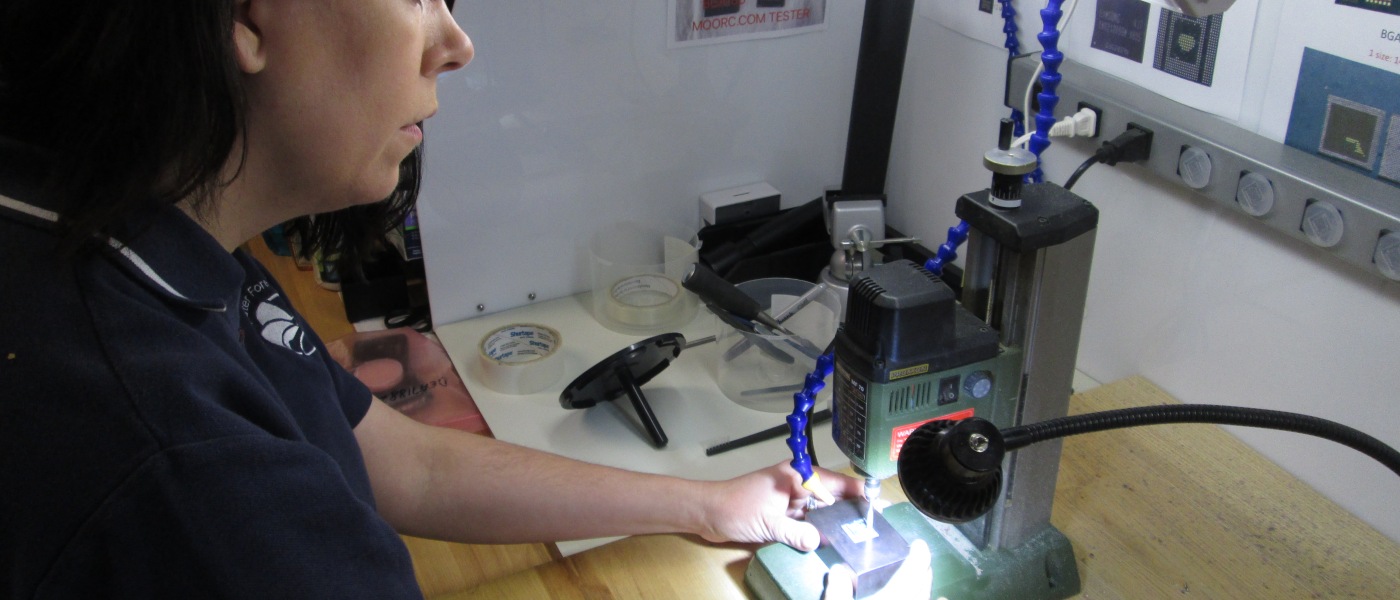
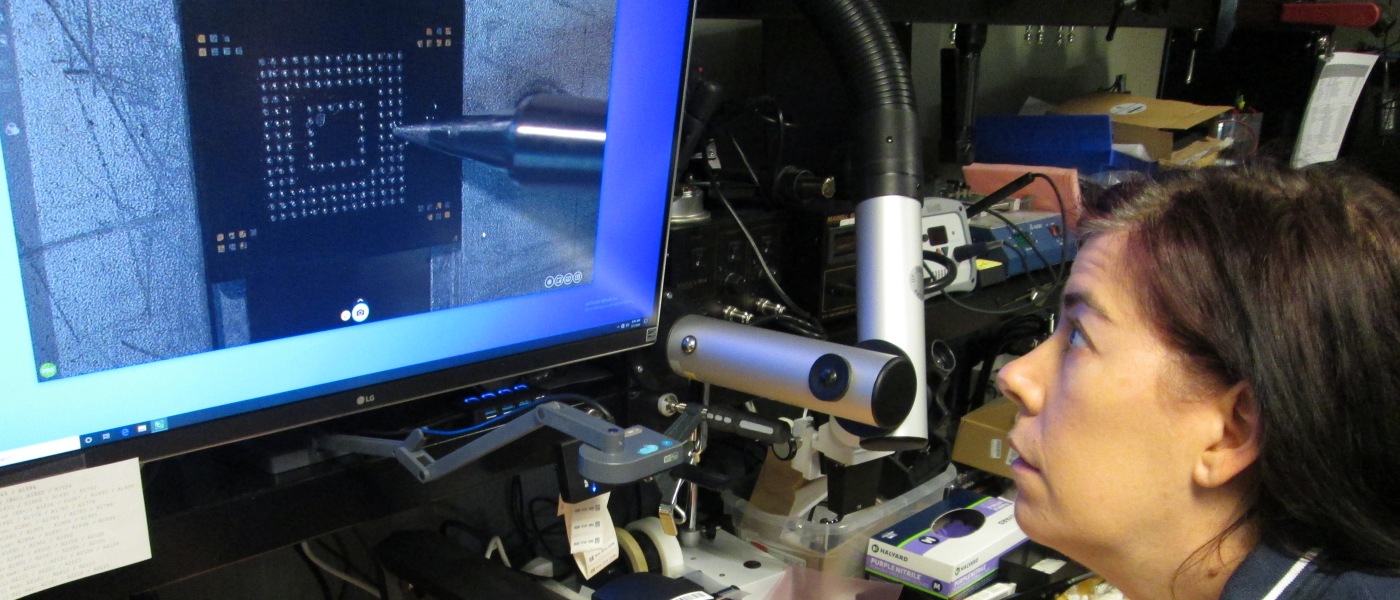
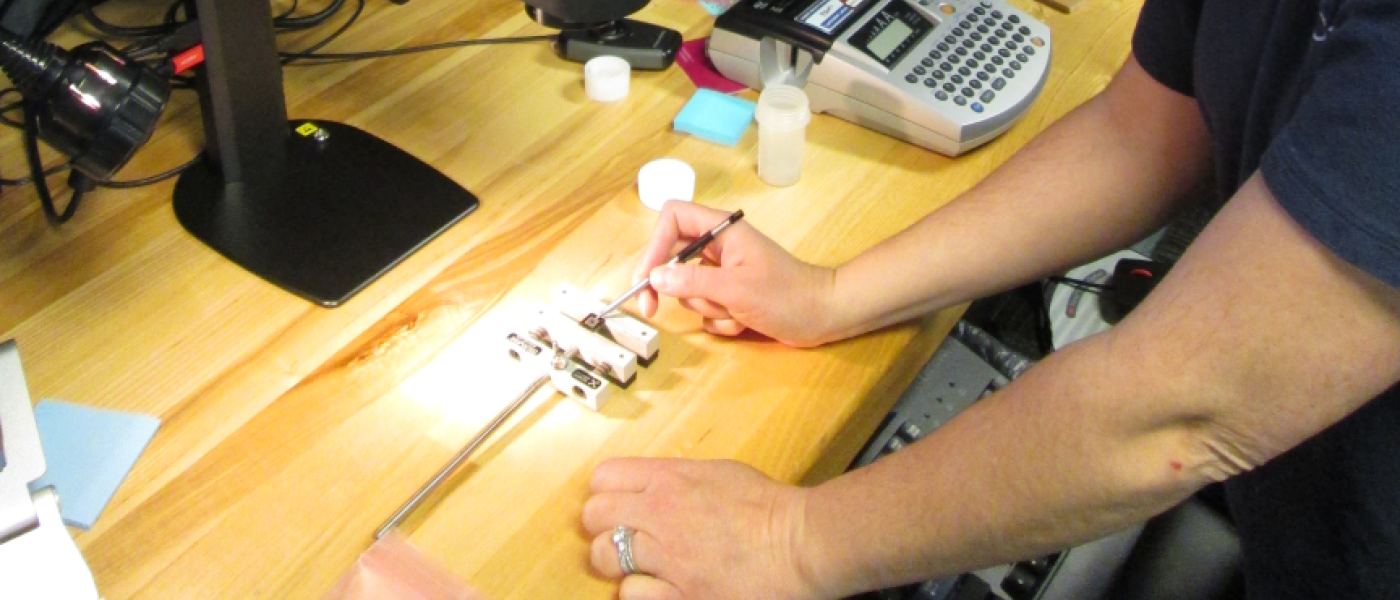
One nice thing about this job is that there isn’t necessarily a typical day. Digital Examiners have a wide variety of activities we work on. We spend the bulk of our time working on a case, doing things like imaging (making a forensic copy) of digital evidence and analyzing the evidence. Or we may be on a trip, helping to execute a search warrant, seizing and processing the digital evidence. Examiners also train people within the agency and other law enforcement groups. Or we may be researching the latest in the forensics field or cell phone forensics software and subsequently testing the software. It’s a good variety day-to-day.
What has been your proudest moment at the DEA thus far?
Having worked at the Digital Lab for almost two decades, there are several things I’ve worked on that come to mind. I was a founding member and catalyst for the vehicle forensics program within DEA, championing for its place within the agency, adopting the software, and educating the agency on its value as an investigative tool.
How can young people who are interested in becoming a Digital Forensic Examiner at DEA best prepare themselves for the positions?
This is a very technology-heavy field, so the earlier a person can start learning about technology, the better. Specific classes would include databases, coding, criminal law, and obviously digital forensics. Communication skills are important as well; you’ll need to be able to write clear notes and reports. Good speaking skills are a plus, because you may need to train agents or explain complicated technical concepts to a jury.
Outside of education, curiosity and tenacity are important traits. You will likely have one piece of evidence or possibly several pieces of evidence from one case to work on at a time. It is up to you to identify the important information from the devices and assemble them together to help tell the story of the case.
The synthetic opioid fentanyl – often mixed into other drugs – is now responsible for tens of thousands of American deaths per year. How has the fentanyl epidemic changed your job?
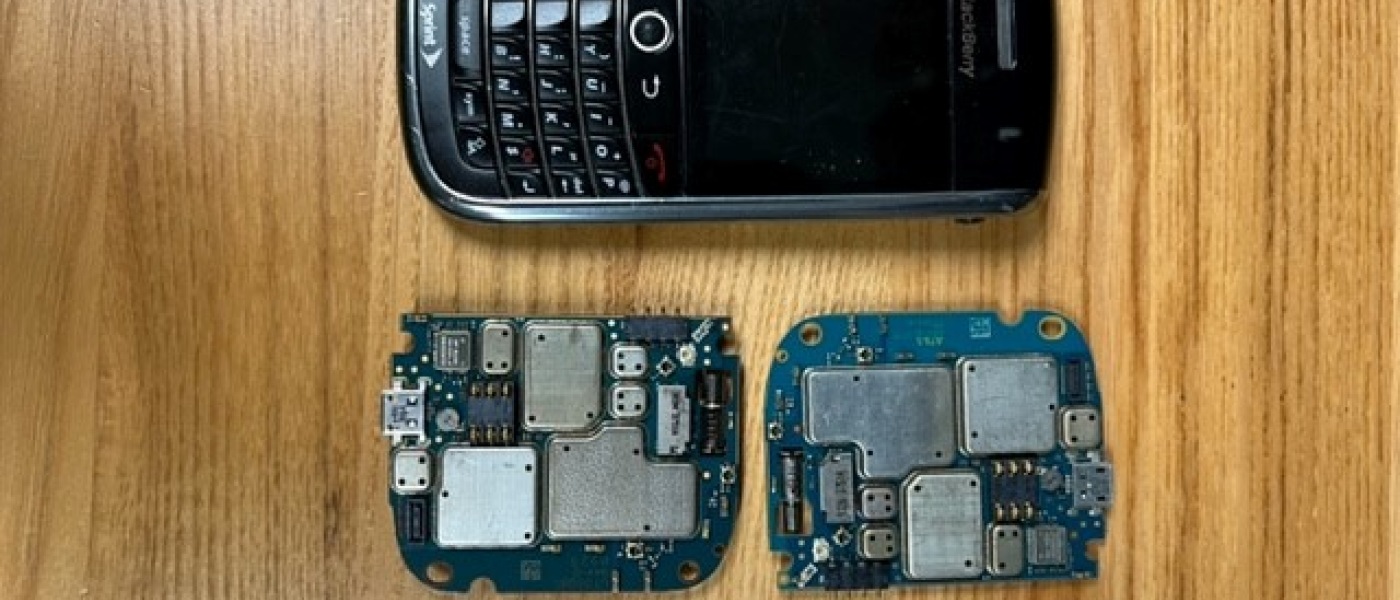
When I started this job almost 20 years ago, the repercussions to your health from using illegal drugs, while dangerous, had nowhere near the lethality that fentanyl has. As fentanyl was introduced to street drugs, it made taking street drugs much more of a deadly proposition. From my position in the agency, this resulted in significantly more cell phones associated with overdose deaths. In my opinion, these cell phones cases are the saddest type. Part of doing forensics on a cell phone is reading the contents of the phone and in doing so, you get to know a person in an unfiltered way. You get to know their family and friends and their relationships. You can also see the struggle people have with addictions, how hard it is to overcome drug addiction, and how it can sometimes lead to an accidental overdose. It is tragic and makes me sad for the families left behind.
Aug. 1, 2023 Profile: Meet Special Agent Dave
Aug. 17, 2023 Profile: From Searching Tunnels to Undercover at a Rave...
Aug. 31, 2023 Profile: Fighting the Jalisco Cartel as an Intelligence Analyst
Sept. 14, 2023 Profile: Working With His Wife to Dismantle Drug-Peddling Prison Gang
Sept. 28, 2023 Profile: Meth Hidden in a Gas Tank? Helping DEA as a Chemist
Oct. 18, 2023 Profile: From Teaching English to Helping Capture El Chapo
Nov. 2, 2023 Profile: Phone Forensics: Diving Into Digital Evidence
Nov. 16, 2023 Profile: Inside the World of Chemistry, Calculations, and Clandestine Labs
Jan. 4, 2024 Profile: Training Female Law Enforcement Officers in Afghanistan and Saudi Arabia
Jan. 18, 2024 Profile: Getting the 'Friday Scaries' as a Strategic Analyst
Feb. 8, 2024 Profile: Hear From a DEA Pharmacologist Who Collects Data to Schedule Drugs
Mar. 11, 2024 Profile: Classrooms to Conferences: Connecting the Community to Fight Drug Misuse
May 9, 2024 Profile: Tackling Cyber Crime With DEA's Special Ops
July 10, 2024 Profile: How Drugs Can Be 'Hidden in Plain Sight'
November 19, 2025 Profile: What Do Zombies and Drug Prevention Have in Common?
February 19, 2026 Profile: Award-Winning Prevention With Drug Free Cecil Youth Coalition